StudyDuo
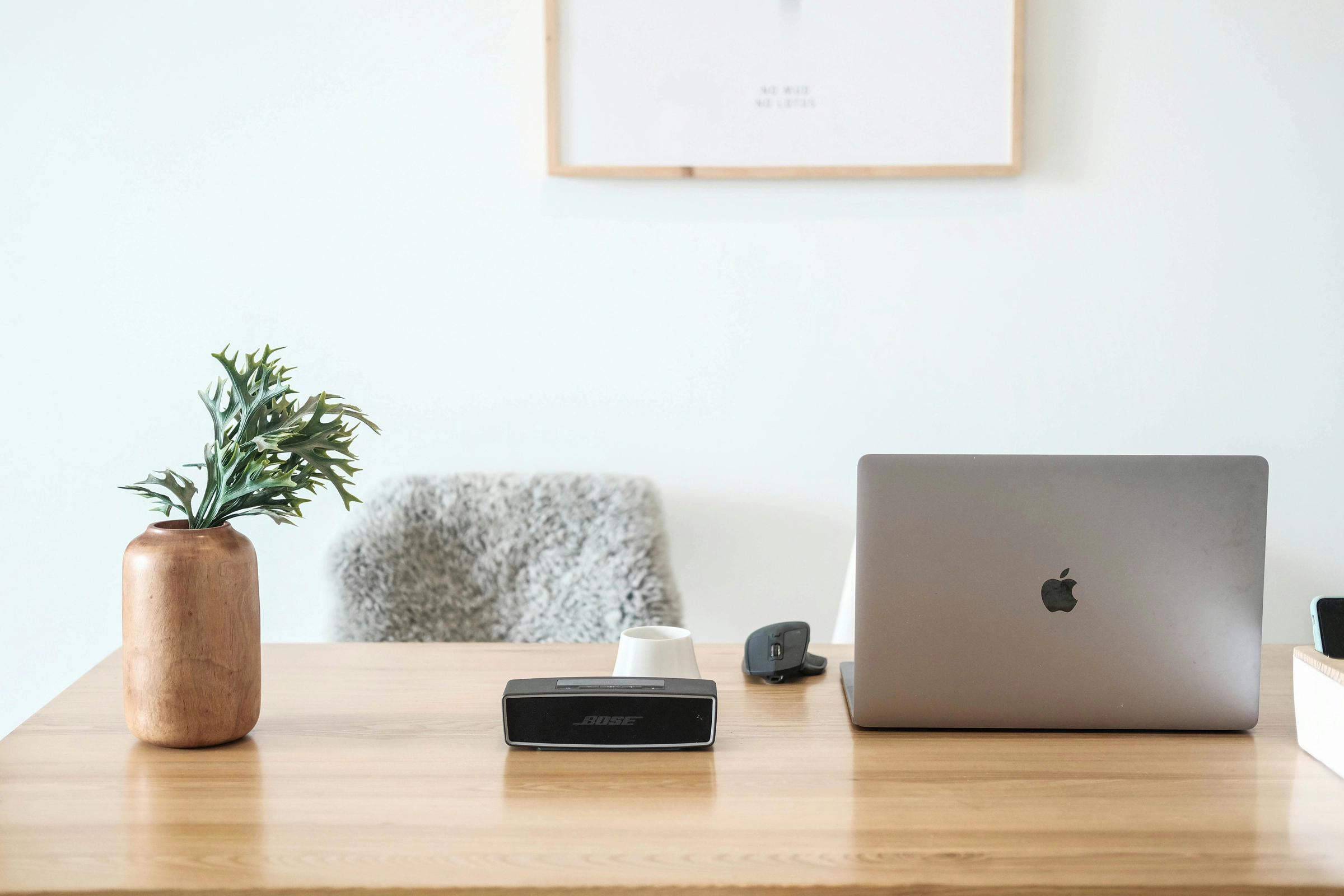
How to work from home with ADHD comes down to rebuilding the structure an office gave you for free. That means a spot used only for work, a ritual to start and one to stop, fixed blocks with other people in them, and set times for messages. If that isn't enough, you can ask your employer for accommodations.
You're far from alone at a kitchen-table desk. In 2025, 35% of employed people in the US did some or all of their work at home on the days they worked, according to the Bureau of Labor Statistics.
Home isn't automatically worse with ADHD, either. In 2021, a survey of 904 Japanese workers who screened positive for ADHD symptoms compared on-site, hybrid and fully remote work. Hybrid and fully remote workers reported fewer depressive symptoms than those on site, and their productivity scores didn't differ by setting. It's one industry-funded survey, and it can't show that remote work caused the difference.
An earlier survey by the same group found that productivity improved during the pandemic for workers with and without ADHD symptoms, but stayed lower for those with them. The gap didn't close by itself, and the setup is the part you can change.
What the office did for you
Much of an office's help with focus was never on purpose. Here's what goes missing at home and what can stand in for it:
| What the office did | What's missing at home | What replaces it |
|---|---|---|
| A commute and a door to walk through | No line between work and the rest of life | A start ritual and an end ritual |
| Colleagues working around you | Nobody notices when you drift | Coworking on camera |
| A manager down the hall | No outside check on your day | A morning message with your plan |
| Meetings and lunch at set times | Days with no fixed points | Focus blocks in your calendar |
| A desk that's only for work | The bed, the sofa and the fridge | One spot used only for work |
| Questions answered in passing | Messages that interrupt all day | Set times for email and chat |
For the home itself, from the phone to the bed, see why you can't focus at home. It's written for studying, but the fixes carry over to a home office.
How to work from home with ADHD: 6 parts of the setup
These ADHD work from home tips each replace one thing from the table.
1. A spot that's only for work
Pick a place you use for nothing else during working hours, even a corner with a folding table. When work happens in one spot, sitting there becomes the cue to start and leaving it becomes the signal to stop. If the house is loud, the Job Accommodation Network (JAN) lists noise cancellation and white noise among its ideas for focus at work.
2. A start ritual
Without a commute, the workday can drift into existence at 11 a.m. Make the first ten minutes identical every day: dress for work, make the same drink, open the calendar and write the day's one must-do task on paper. Which ritual you pick matters less than repeating it. If the task list itself keeps failing you, see what to do when an ADHD to-do list isn't working.
3. An end ritual
At home, it's easy to never quite stop, and tomorrow's start depends on how today ends. JAN's self-help list for getting to work on time includes preparing the next day's work the night before. End each day the same way: write tomorrow's first task where you'll see it, close every work tab, and leave the spot. The last step is the one that makes it the end of the day rather than a pause.
4. Structure from outside
An office lends you other people's schedules. At home, you borrow them on purpose:
- Block focus time in the shared calendar, so colleagues see it and meetings land around it.
- Message your plan each morning to a colleague or your manager, and send a short note at the end with what got done.
- Cowork on camera. A colleague on a muted video call works, and so does a room of strangers. StudyDuo's Focus Room never closes and keeps every microphone off. It works for emails, proposals and other desk work too, with your task written under your name.
- Book one partner when you need a person with sound. In a StudyDuo 1:1, you post a time up to a week ahead; once someone joins, it's the two of you on video, talking or typing in the chat.
Research on working next to others like this is thin and mixed; body doubling for ADHD covers what's known.
5. Messages at set times
Chat and email are the office's interruptions, delivered straight to your desk. In a two-week experiment, 124 adults spent one week checking email only three times a day and another checking whenever they liked. They reported lower daily stress in the limited week. Messages are the part of how to work from home with ADHD that depends most on your team. Agree on your check times, turn notifications off between them and keep one channel for anything truly urgent.
A day built from these parts might look like this:
| Time | What happens |
|---|---|
| 8:45 | Start ritual at the work spot, the day's must-do task on paper |
| 9:00 to 10:30 | Focus block on the must-do task, coworking on camera |
| 10:30 | First message check |
| 11:00 to 12:30 | Meetings, with decisions written in the chat |
| 12:30 | Lunch away from the work spot |
| 1:30 to 3:00 | Second focus block |
| 3:00 | Second message check |
| 3:15 to 4:45 | Shallow work: email replies, admin, planning |
| 4:45 | End ritual: tomorrow's first task, tabs closed, leave the spot |
6. Meetings that leave a trail
Decisions spoken on a call are easy to lose once it ends. Before you hang up, write the decisions and your tasks in the meeting chat, or ask for them in writing afterward. Written instructions are on JAN's list of accommodation ideas, so asking for them is a reasonable request.
Asking for accommodations for ADHD remote work
Some of what helps can be made official. In the US, the Americans with Disabilities Act applies to employers with 15 or more employees, and it's up to you to tell your employer that you need an accommodation. JAN notes that not everyone with ADHD needs one. Its process for employers starts with one question: what limitations is the employee experiencing? Frame your request the same way, the problem first and then the change, such as written follow-ups after meetings. JAN's ideas for ADHD include:
- noise cancellation or white noise, and uninterrupted work time,
- breaks as needed,
- to-do lists, written instructions and meetings to discuss expectations,
- a flexible schedule,
- a job coach,
- working from home when nothing in the office works.
Most accommodations cost an employer little, which makes asking easier. JAN surveyed employers who contacted it from 2019 to 2024, and 1,425 of them reported what the accommodation cost:
| Cost | Employers |
|---|---|
| Nothing | |
| A one-time cost | |
| An ongoing cost |
The median one-time cost was $300, and the median ongoing cost $2,400 a year. Knowing that is part of how to work from home with ADHD: a request for headphones or a written agenda is small by employers' own numbers.
In the UK, employers must make reasonable adjustments so that workers with disabilities or physical or mental health conditions aren't substantially disadvantaged (GOV.UK). Access to Work, a government grant, can pay for support such as a job coach, and for its purposes your workplace can include your home. It doesn't pay for the reasonable adjustments themselves.
When it's more than the setup
A setup makes the workday easier to run; it isn't treatment. If you can't get through workdays for weeks, at home or in an office, or work stress is spilling into your sleep and mood, talk to a doctor. An ADHD coach can help you build a system and keep it going: what an ADHD accountability partner or coach does. More on working next to people online: body doubling online.
Research degrees run on the same self-set structure, and doing a PhD with ADHD applies it to supervision and writing.
FAQ
Should I tell my employer I have ADHD?
That's your choice. Under the ADA, employers only have to accommodate limitations they're aware of, so asking for an accommodation means telling them something. HR or JAN can explain what the process looks like.
Can I ask for a different schedule instead of remote work?
Yes. The EEOC lists part-time or modified work schedules among its examples of reasonable accommodations, alongside job restructuring and equipment.
What if I live alone and work remotely full time?
Build at least one fixed point with people into every day: a coworking session, a lunch call or a few hours at a library or café. Days with no one in them are the ones that drift most.