StudyDuo
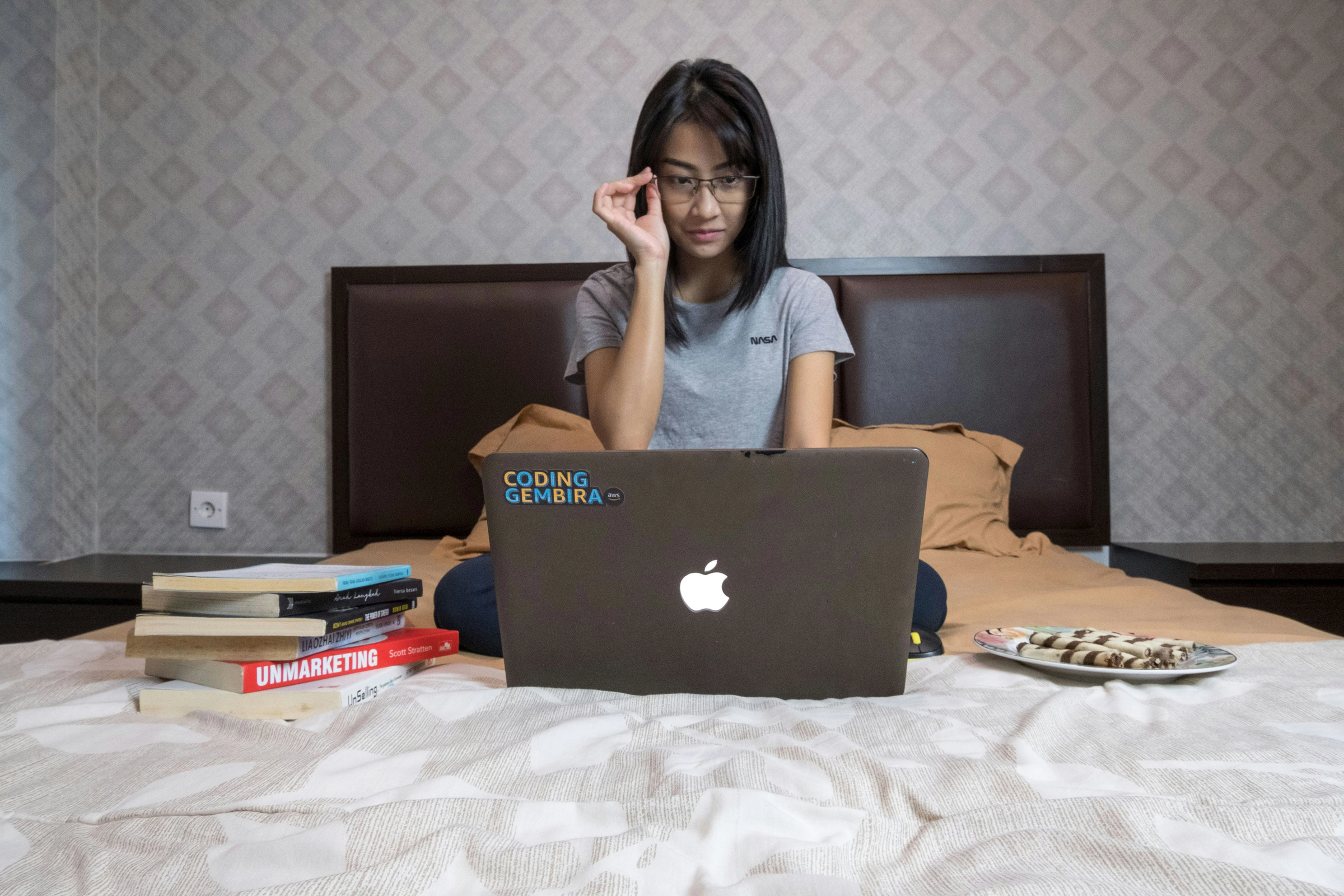
Is it bad to study in bed? We found no evidence that it hurts people who sleep well. The rule that a bed is only for sleep comes from insomnia treatment, so it matters most if you sleep badly. After a poor night, lying down can also slow you on memory tasks. Light review in bed is fine; sit up for problem sets and typing.
Where "beds are for sleep" comes from
The rule is one instruction in stimulus control, a treatment for chronic insomnia. In the American Academy of Sleep Medicine's 2021 clinical guideline, stimulus control aims to break the link between the bed and being awake, and to fix a steady wake-up time. Its instructions are:
- Go to bed only when sleepy.
- Get out of bed when you can't sleep.
- Use the bed and bedroom only for sleep and sex, with no reading or TV in bed.
- Wake up at the same time every morning.
- Don't nap during the day.
Even for insomnia, the evidence behind it is modest. The guideline gives stimulus control on its own a conditional recommendation. The systematic review behind the guideline found 8 randomized trials of it. On average, people fell asleep about 10 minutes sooner and spent about 19 fewer minutes awake during the night. Neither difference reached the reviewers' threshold for clinical significance, and they rated the certainty of the evidence as low.
Stimulus control is one of several behavioral treatments the review compared. On the time it takes to fall asleep, measured with sleep diaries, here is how each did against control groups:
| Treatment (trials) | Minutes sooner |
|---|---|
| Cognitive behavioral therapy for insomnia (47) | |
| Brief behavioral therapies (7) | |
| Stimulus control (4) | |
| Relaxation (6) | |
| Sleep restriction (4) | |
| Sleep hygiene alone (1) |
Source: Edinger et al., 2021, AASM systematic review (sleep diaries)
None of them reached the 20 minutes the reviewers counted as clinically significant on this measure, and the guideline's grades weigh other outcomes as well. Still, the comparison puts the bed rule in proportion: it's one piece of insomnia care, level with the shorter programs on this measure. So "never study in bed" is borrowed from the treatment of a sleep disorder. We found no trial that tested it as study advice for people who sleep well.
Is it bad to study in bed if you sleep well?
The posture research doesn't say so, but it does say your night matters. Markus Muehlhan and colleagues had 22 people do a working memory task lying flat on one day and sitting upright on the other. The task was the N-back, a standard working memory test. Items appear one by one, and you respond when the current one matches the one shown a set number of steps earlier. The researchers also recorded how well each person had been sleeping. Sleep quality strongly affected reaction times when people lay down. When they sat up, that link disappeared.
How you sit in bed matters for reading this result. Propped up against a headboard, you're somewhere between the study's two postures. Flat on your back, you're in the one where poor sleep showed.
Lying down isn't always worse for thinking, either. In a 2005 experiment, Darren Lipnicki and Don Byrne found that people solved anagrams faster lying on their backs than standing. They suggest the brain's noradrenaline system may be less active lying down, and that this system's activity gets in the way of insight puzzles like anagrams. Both were lab studies, with people flat on their backs rather than propped up on pillows the way most of us read in bed. Neither measured grades, or how well anyone slept that night. They tell you about posture, not about beds.
Together they point one way. If you sleep well, nothing in these studies argues against an hour of reading or flashcards in bed. If your nights are short or broken, sit up for anything that loads working memory: math, coding, a dense chapter.
When the bed works and when it doesn't
The answer to is it bad to study in bed changes with your sleep and with the task:
| Your situation | Study in bed? | Why |
|---|---|---|
| Trouble falling or staying asleep for weeks | No | The bed rule is part of the treatment for exactly this |
| A bad night before this session | Sit up | Poor sleep slowed reaction times lying down, not sitting |
| Flashcards, reading, recorded lectures | Fine if you sleep well | The slowdown lying down was tied to poor sleep |
| Problem sets, essays, anything you type | Sit up, ideally at a table | A laptop on your lap sits far below eye level |
If the first row is you, the rule isn't the whole fix. Insomnia that lasts is worth taking to a doctor, because the treatment with the strongest recommendation is a structured program, not a single habit.
If you study in bed, set it up like a chair
You can make bed study closer to a good desk posture. The US Occupational Safety and Health Administration's workstation guide lists reclined sitting among the good working postures. In it, your torso and neck stay straight, leaning back 105 to 120 degrees from your thighs, with your back fully supported. In bed, that means:
- Sit against the headboard or a wall, with a firm pillow behind your lower back, instead of lying on your side or stomach.
- Lift the screen. OSHA puts the top of the monitor at or slightly below eye level, and a laptop on your thighs sits far lower. Raise it on a bed tray or a stack of books, and plug in a separate keyboard if you'll type for long.
- Keep your wrists straight, with hands and forearms roughly in line, not bent up over the edge of the laptop.
- Set an end time before you start. When it comes, stop and put the books away before you settle down to sleep.
No desk in your room? Make one
Most of what a desk does is hold your work at the right height. OSHA describes elbows close to the body and bent between 90 and 120 degrees, and feet flat on the floor or a footrest. Any surface that gives you that will do:
- A chair at a windowsill, dresser or shelf that reaches about elbow height, with a box under your feet if they don't reach the floor.
- The kitchen or a common room at fixed hours, when it's quiet, with everything you need in one bag so setting up takes a minute.
- A library for the hardest blocks. Why the library works covers what the building does for you, and our fixes for focusing at home cover the rest of the house.
- A live room with your camera on your desk. A camera aimed at your hands and notes only shows work if there's a surface under them; pointing it at the desk also keeps your face off screen. A virtual study room gives you people to work beside while you do it.
Test it on yourself for two weeks
The studies can't tell you how your own sleep reacts, but a sleep diary can, and diaries are how the insomnia trials above measured sleep. Try it:
- Week 1: do your evening studying at a table or desk.
- Week 2: do the same amount in bed, set up as above.
- Every morning, write down roughly how long it took you to fall asleep, how many times you woke, and how rested you feel from 1 to 5.
- After every session, note the task and whether you finished it.
Compare the two weeks. If the bed week shows slower sleep onset, more waking or fewer finished tasks, move the studying out. If the numbers match, the bed is a fine place for that kind of work.
If sleep has gotten harder lately and that's why you're asking is it bad to study in bed, skip the test. Move the studying out of the bed first, and talk to a doctor if your nights stay bad.
FAQ
Why would lying down slow you down after a bad night?
Muehlhan's team pointed to the autonomic nervous system: heart rate variability showed different regulation lying down than sitting up. That may be why poor sleep showed up in reaction times only in the lying position.
Will better sleep habits fix insomnia on their own?
Not as a treatment on its own, according to the AASM. Its 2021 guideline suggests that clinicians not use sleep hygiene alone for chronic insomnia, since it did less than other treatments. Its one strong recommendation is multicomponent cognitive behavioral therapy for insomnia.
How far away should my screen be?
OSHA's workstation guide gives a preferred viewing distance of 20 to 40 inches from your eyes to the screen. It also says the downward viewing angle should never be steeper than 60 degrees.