StudyDuo
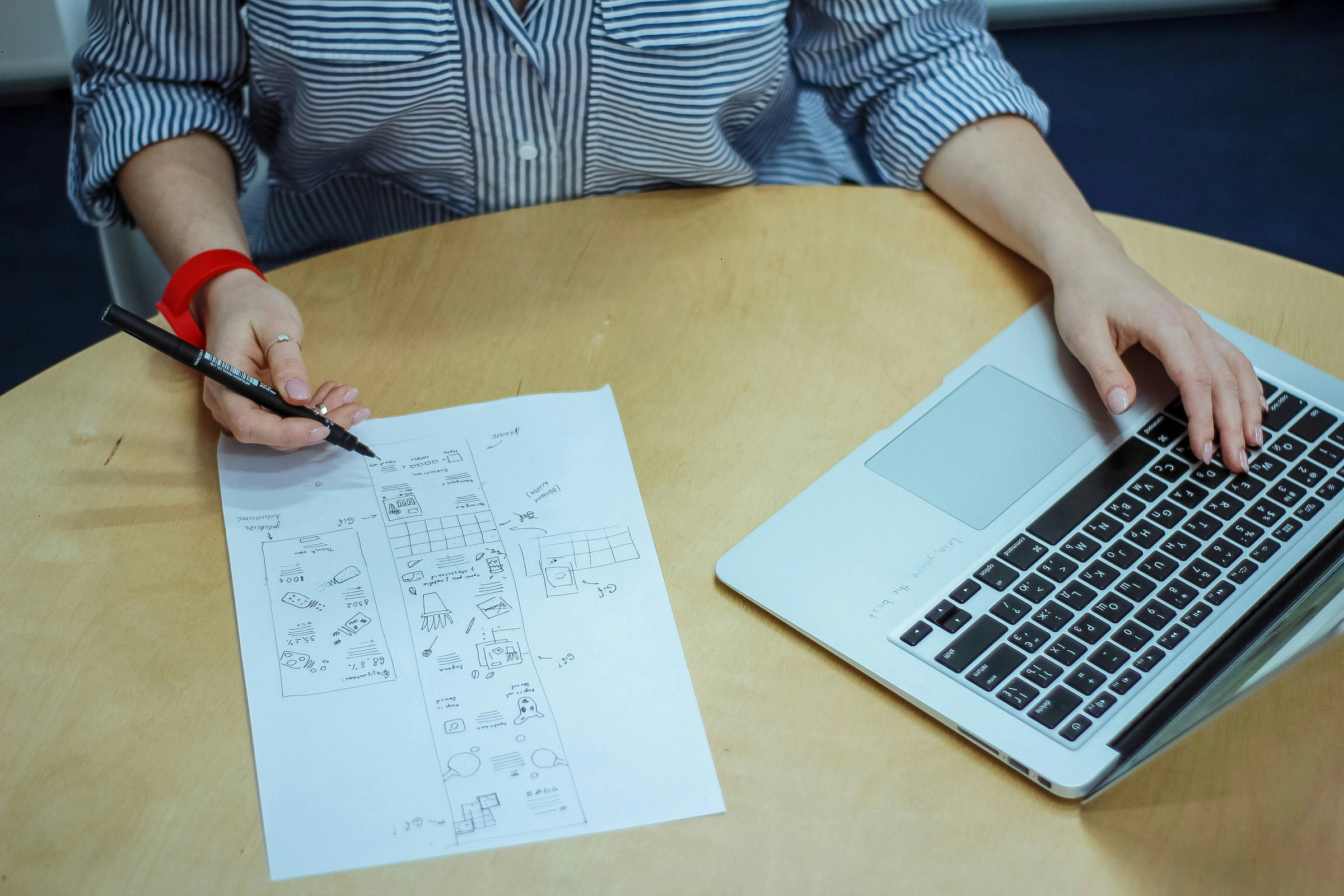
Body doubling for studying means doing your own coursework while someone else works nearby: in a library, on a call or in a live video room. It helps most with study tasks you already know how to do, such as flashcards, practice problems and past papers, and least with a first pass through hard new material.
The term comes from ADHD coaching; body doubling for ADHD covers what it is and why it may help.
What research on studying next to others found
Few studies test body doubling by name. These three each tested a piece of it:
| Study | Who took part | What was compared | What they found |
|---|---|---|---|
| Ren, Reynolds and Rusk, 2025 | 60 university students, each in all three conditions | Speed-reading five articles in English with a study-with-me video, with a person in the room, or alone | With the video, less pressure and better accuracy than with a person; no better than alone |
| Park and Catrambone, 2007 | Adults in a lab | Anagrams, mazes and modular arithmetic alone, with a person, or with a virtual human on a screen | With the virtual human, easy tasks went better than alone and hard tasks went worse |
| Hou and colleagues, 2025 | 509 Chinese college students who had studied with study-with-me videos or livestreams for at least three months | A survey of how much peer support they felt | More peer support went with more motivation and engagement |
Taken together: a person on a screen affects your work much as a person in the room does, and whether that helps depends on the task. Ren's team summed up their own result: study-with-me videos are "viable alternatives to physical companions but not superior to learning alone".
Body doubling for studying: which tasks it fits
What you do in the session matters as much as who's there. In a 2021 meta-analysis of ten common study techniques, Gregory Donoghue and John Hattie pooled 242 studies with 169,179 participants. Distributed practice, meaning study spread out over time, had the largest effect (d = 0.85), followed by practice testing (0.74). Rereading (0.47) and underlining (0.44) still helped, but less, and most of the studies measured recall of facts, so the ranking is surest for that kind of learning.
The weaker two are among students' favorites. In a 2012 survey of 324 undergraduates by Marissa Hartwig and John Dunlosky, 72% said they regularly highlight and 66% reread, while 71% test themselves and 62% use flashcards.
A body double gets you to the desk; the technique decides what you keep. Here's how common study tasks pair with a setup:
| Study task | Setup | Why |
|---|---|---|
| Flashcards and self-quizzing | A live room, camera on | Practice testing has one of the largest effects, and it's repetitive, so company keeps you at it |
| Practice problems of a kind you've solved before | A live room, one longer block | Easy tasks went better with someone on screen in Park and Catrambone's lab |
| A timed past paper | Study Hour: one hour, no breaks | It runs on a clock, like the exam |
| Tidying notes, a revision timetable, forms for school | Any room, any length | It's the kind of dull job body doubling was named for |
| A first read of a hard new chapter | Alone; join a room when you reach the practice questions | Hard tasks went worse with someone on screen |
| Explaining topics to each other | A 1:1 call with sound | A silent room keeps mics off, so there's no discussion |
| Rereading and highlighting | Turn them into self-quizzing before you join | Both helped less than testing in the meta-analysis |
If sessions keep stalling even on familiar work, go through the eight usual reasons. For methods that need two people talking, see how to study with a partner.
Library or online?
A library and a live video room offer the same thing, other people working, on different terms:
| Option | When it's there | Who sees you | Best for |
|---|---|---|---|
| Campus library | Its opening hours | People nearby, in person | Long days near exams, a change of scene |
| Live video room | Any hour: StudyDuo's Focus Room is open 24/7 | People on camera, or only those you allow | Early or late sessions, starting fast at home |
| Recorded study-with-me video | Any time | Nobody | Days when being seen feels like pressure |
| Video call with a classmate | When you both agree | Your classmate | Quizzing each other out loud |
Online, body doubling for studying comes down to one choice: whether you want to be seen. If being watched makes you tense, a recording is the gentler start. If you want people who could notice you drifting, pick a live room, where everyone on screen is working right now.
Exam season
Deadlines run most students' revision. In Hartwig and Dunlosky's survey, the most common way to choose what to study next was whatever was due soonest:
| Answer | Students |
|---|---|
| Whatever's due soonest or overdue | |
| Whatever I feel I'm doing worst in | |
| A schedule I planned ahead | |
| Whatever I find interesting | |
| Whatever I haven't studied for longest |
The same students studied late in the day. In that survey, 69% did most of their studying in the evening and 20% late at night, though 42% believed studying worked best in the morning or afternoon. Two in three (66%) said they cram the night before a test.
The far end of cramming is the all-nighter. In a 2008 survey of 120 students at a liberal arts college, 60% had pulled at least one since starting college, and all-nighters went with lower GPAs. The survey shows a link, not a cause, but a room that's open at 3 a.m. is a reason to start earlier, not to stay up later.
In exam season, sessions are most useful as fixed appointments, set before deadlines start choosing for you:
- Take the same slot every day. Study Hour runs once a day, everyone in the same focus block; tap I'll be there, and the app reminds you a minute before it starts.
- Rotate subjects across sessions. Distributed practice had the largest effect in the meta-analysis, and a little of each course every day builds it in.
- Keep a daily minimum. On StudyDuo, 30 minutes in any room keeps your streak, and a streak freeze covers a missed day: 2 a month on the free plan, 5 with Premium.
Company may also take some of the edge off. In Hou's survey of 509 students, more peer support went with less test anxiety. The links from peer support were stronger for students who used livestreams than for those who watched recordings. That's an association, not proof that a room will calm you down.
With or without ADHD
ADHD is common on campus: a 2009 review by George DuPaul and colleagues estimated that 2% to 8% of college students report clinically significant ADHD symptoms. It also found that at least 25% of college students with disabilities have an ADHD diagnosis.
Still, none of the studies above recruited students with ADHD; they tested students in general, so body doubling for studying isn't an ADHD-only tool. It isn't a treatment either. If you have ADHD, it works alongside accommodations and care from a doctor, not instead of them. Your school's disability services office can tell you which supports you can get.
For check-ins between sessions, an accountability partner who understands ADHD adds the follow-up that a room can't. And for how a live room works for this, see body doubling online.
FAQ
Does my university offer body doubling sessions?
Some do. Charles Sturt University in Australia has run a virtual body doubling pilot, and Queen's University in Canada hosts accountability cafes. Check your school's learning support or accessibility pages.
Does my body double need to take the same course?
No. Each of you brings your own work, so a friend in another major or a stranger works as well. A classmate helps only if you plan to quiz each other during breaks.
Is it safe to study with strangers on camera?
StudyDuo's rooms are only for people 16 and up, and nothing in them is recorded. Your video goes to the viewers you pick, such as people with a verified photo, and others get a blurred silhouette. If someone bothers you, hide, report or block them.
Can I use it for a group project?
Yes, for the solo parts: each person drafts their own section in the same session. Deciding who does what needs a call with sound, so do that before or after.