StudyDuo
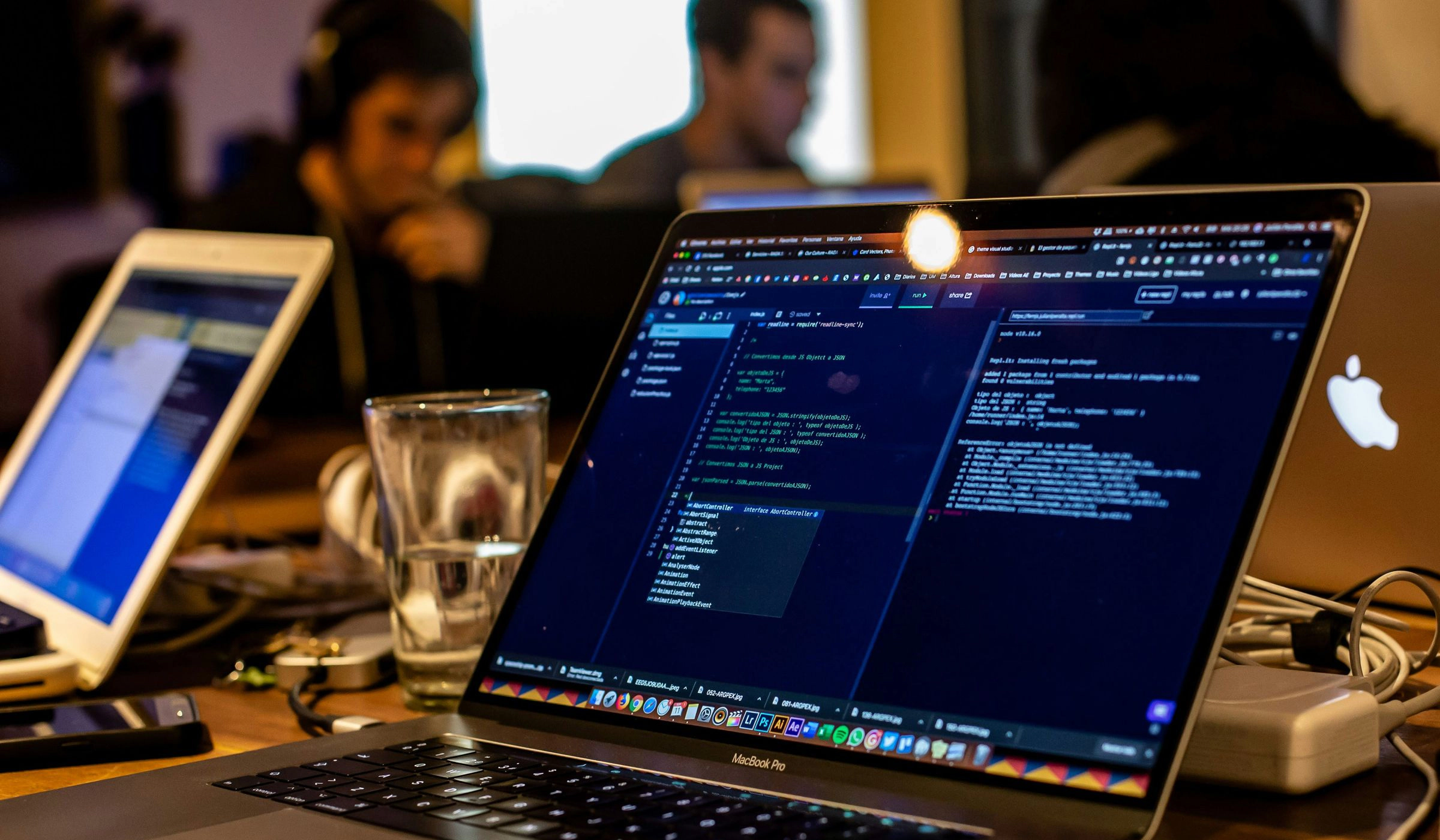
A LeetCode study group is a few people preparing for coding interviews on one schedule. Each member solves the same problems during the week, and the group meets to compare solutions and practice interviewing out loud. You can find one on LeetCode's forum, Reddit, Meetup or a peer mock interview site, or start your own with three to five people and one problem list.
Four formats, and what each one trains
| Format | How it runs | What it trains | Best for |
|---|---|---|---|
| Shared problem set | Everyone solves the same problems alone, then the group compares solutions | Patterns, and other ways to solve the same problem | Every week |
| Mock interviews | Pairs take turns: one asks, the other solves out loud | Explaining while you code, with someone watching | The last weeks before interviews |
| Contest and review | Everyone enters a LeetCode contest, then the group goes over it | Speed against the clock | People who freeze when timed |
| Silent solving session | Everyone works on camera with mics off, then checks in | Volume and a steady habit | Days without a meeting |
A shared set works best when everyone tries each problem alone before anyone explains it. That's the order of peer instruction, a teaching method where students answer a question on their own, discuss it in small groups, then answer again. Porter, Bailey-Lee and Simon looked at 10 years of four computer science courses at one large public university. Classes taught this way had fail rates 61% lower per course on average: 7% instead of 20%. It wasn't a randomized trial, but when the same instructors switched to it, their fail rates still fell from 23% to 8%.
Mock interviews train what solo practice can't: being watched. In a randomized trial with 48 computer science students, Behroozi and colleagues gave half a standard whiteboard interview, with an interviewer watching while they thought aloud. The other half solved the problem alone in a private room. Being watched cut performance by more than half. The study was small and didn't test whether rehearsal closes the gap, but a mock interview is the closest practice to those conditions.
Contests add the clock. LeetCode runs a weekly contest and a biweekly one. If everyone enters the same one and the group reviews it afterward, nobody has to pick that week's problems.
Silent sessions keep the count up between meetings. Everyone joins one video room, posts which problems they're doing, and works with mics off. StudyDuo's Focus Room works this way around the clock, and Study Hour gives a group one fixed time a day (how the online study group works).
Where to find a LeetCode study group
- LeetCode Discuss. The site's own forum has regular posts from people looking for study and mock interview partners, often with a target company or level.
- Reddit. r/leetcode has threads from people looking for study buddies and weekly mock interview swaps. Reply with your level, your list and your time zone.
- Meetup. Search Meetup for "LeetCode" or "coding interview". Some groups list themselves there and meet on Discord, so check the date of the last event before you join.
- Discord. Some interview prep servers post daily problems. Search Discord's server directory for them, and use our guide to Discord study servers to judge one.
- Peer mock interview sites. Aced, formerly Exponent and now home to Pramp's peer interviews, matches you with someone preparing for the same kind of interview. Roles are assigned at random and switch halfway, and free accounts get a monthly allowance of credits.
- Your campus or cohort. CS clubs and bootcamp cohorts share your calendar, which makes a weekly slot easier to keep.
- Find Partners on StudyDuo. Search people by country, city and interests such as coding, then message them to plan a session.
For how to word the first message, How to Find a Study Partner has a template you can adapt.
How to start your own
- Pick one list and an end date. A LeetCode study group runs on one shared order of problems, so choose the list before the first meeting (compared below).
- Keep it to three to five people. An even number pairs up cleanly for mock interviews, and one absence doesn't cancel the meeting.
- Fix two days a week. One day the set goes out, another the group meets to review it. A standing slot survives busy weeks better than a new poll every Sunday.
- Write the rules down. Attempt every problem before the meeting, stop at a set time limit, look at a hint before the full solution, and post your code in one shared place.
- Rotate the roles. Each week, one person picks the problems, one keeps time, and one runs the mock interview.
| List | Problems | Made by | How it's organized |
|---|---|---|---|
| Blind 75 | 75 | Yangshun Tay, first shared on Blind | By topic |
| Grind 75 | Up to 169 | The same author | A week-by-week plan sized to your time, with topics mixed |
| NeetCode 150 | 150 | NeetCode | 18 topics: Blind 75 plus 75 more |
| LeetCode 75 | 75 | LeetCode | Pitched at 1 to 3 months of prep |
| Top Interview 150 | 150 | LeetCode | Pitched at 3+ months of prep |
Grind 75 also brings earlier topics back in later weeks. The experiment behind mixing problem types is in our guide to studying with a partner.
A 90-minute weekly meeting can look like this:
| Minutes | What happens |
|---|---|
| 0 to 10 | Each person says what they solved and what they couldn't |
| 10 to 40 | The two problems most people missed: one person explains, others show different solutions |
| 40 to 80 | One mock interview, two 20-minute turns, while the rest watch and note one thing to fix |
| 80 to 90 | Confirm next week's set and who holds each role |
How much practice is enough?
Practice matters, but it explains less than its reputation suggests. In a 2014 meta-analysis in Psychological Science, Macnamara, Hambrick and Oswald asked how much of the difference in people's performance came from deliberate practice. They defined it as structured activities created to improve performance in a field:
| Field | Explained |
|---|---|
| Games | |
| Music | |
| Sports | |
| Education |
In professions, practice explained less than 1%. The authors' conclusion: deliberate practice "is important, but not as important as has been argued."
Two things follow for a group. First, practice explained the most in games, which have fixed rules and quick feedback; LeetCode problems share both, with fixed inputs and a judge that says pass or fail. That's our reading, not the paper's. Second, the definition matters: practice counts as deliberate when it's designed to improve something specific. Timed mock interviews and problems from your weakest topic fit that; another 50 easy problems in your strongest topic don't.
Keep the group going
- Cancel in writing, a day ahead. A member who misses two meetings in a row without a message gives up their seat.
- Pair people by level for mocks. An interviewer far ahead or far behind gives feedback you can't use yet.
- Re-solve before you move on. Open each meeting with one problem from two weeks earlier, solved from scratch with no notes.
- Change the format before you quit. If reviews turn into chat, switch a week to a contest or a silent session.
- Plan for offers. The interviews a LeetCode study group prepares for will end it for some members, so agree early that anyone who gets an offer can stay on as an interviewer.
FAQ
How long should one problem take?
Close to the real thing: Grind 75's guide notes that coding interviews usually allow less than half an hour per algorithm question. If you're still over that after 20 to 30 problems, it suggests going back to the basics or easier problems first.
Should everyone use the same programming language?
No. The patterns carry across languages, so a Python solution and a Java one can be reviewed side by side. Just make sure your mock interview partner can read yours.
Can beginners join?
Yes, if the list allows it. NeetCode 150 has 28 easy problems, 101 medium and 21 hard, so a newer member can start with the easy ones while others work further down the list.
What if we're in different time zones?
Fix the meeting at one time in one zone and do the solving on your own schedule. Only the review and the mock interviews need everyone at once.